


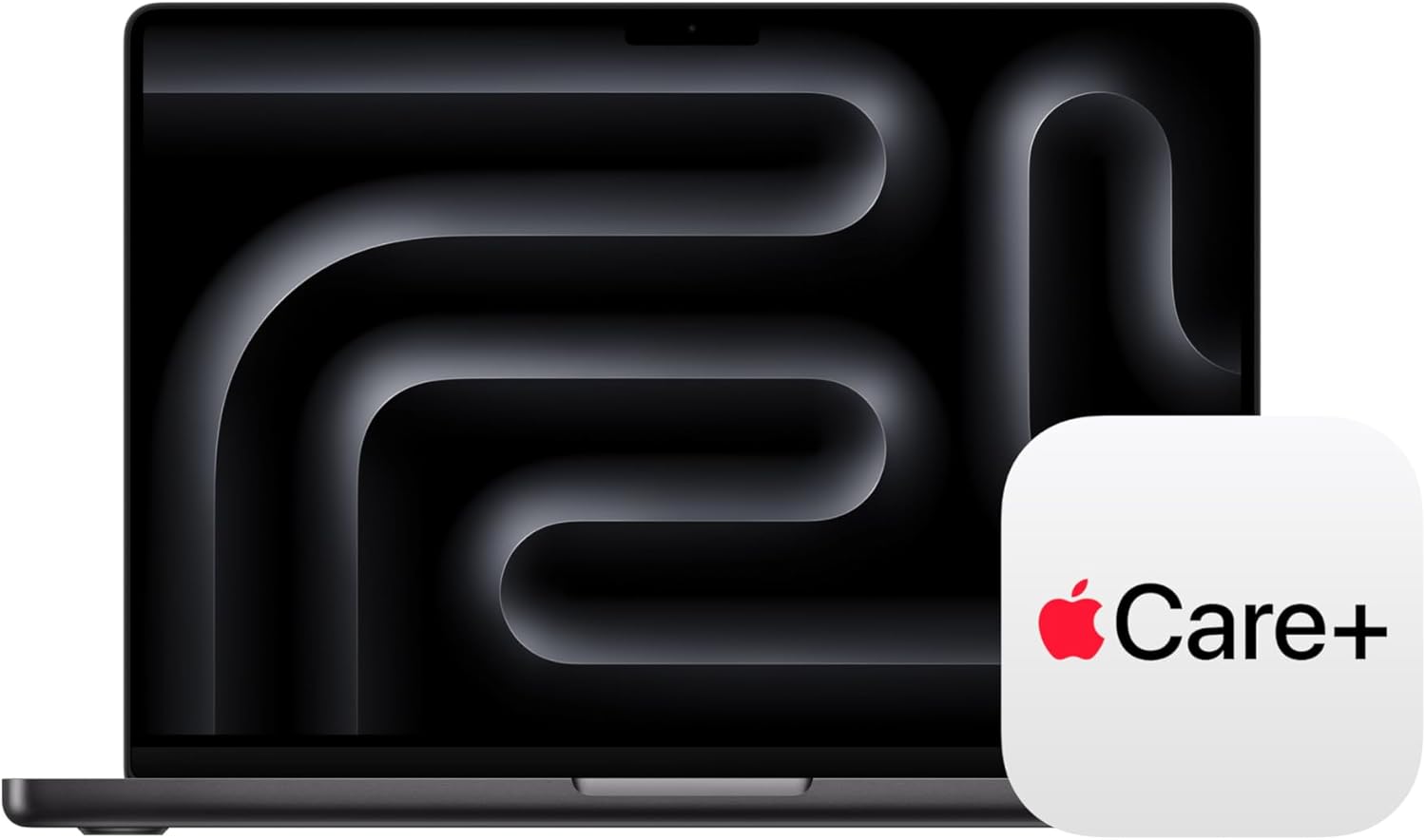
Price: $2,185.00
(as of 2026-10-15 15:13 GMT+0000 – Details)

Performance and AI Capabilities
The M5 chip integrates a 10‑core CPU and a 10‑core GPU, each core equipped with a Neural Accelerator that targets on‑device machine‑learning tasks. Unified memory of 24 GB is shared between CPU and GPU, reducing data‑copy overhead for large models and creative workloads. Apple Intelligence leverages this architecture to enable features such as real‑time text generation, image synthesis, and privacy‑preserving inference without cloud round‑trips. In practice, developers and creatives can expect faster compile times, smoother timeline scrubbing in video editors, and responsive AI‑assisted tools, though actual speed gains depend on how well applications are optimized for the new accelerator layout.
Battery Life and Power Management
Apple claims all‑day battery life with identical performance whether the system runs on battery or is plugged in. The unified memory architecture and the efficiency cores of the M5 contribute to low idle power draw, while the GPU’s Neural Accelerator can offload AI inference from the CPU, further conserving energy. Real‑world endurance will vary with screen brightness, workload intensity, and background services; heavy GPU‑bound tasks such as 3D rendering or large‑scale model training will reduce runtime considerably compared with light productivity use.
Display Quality
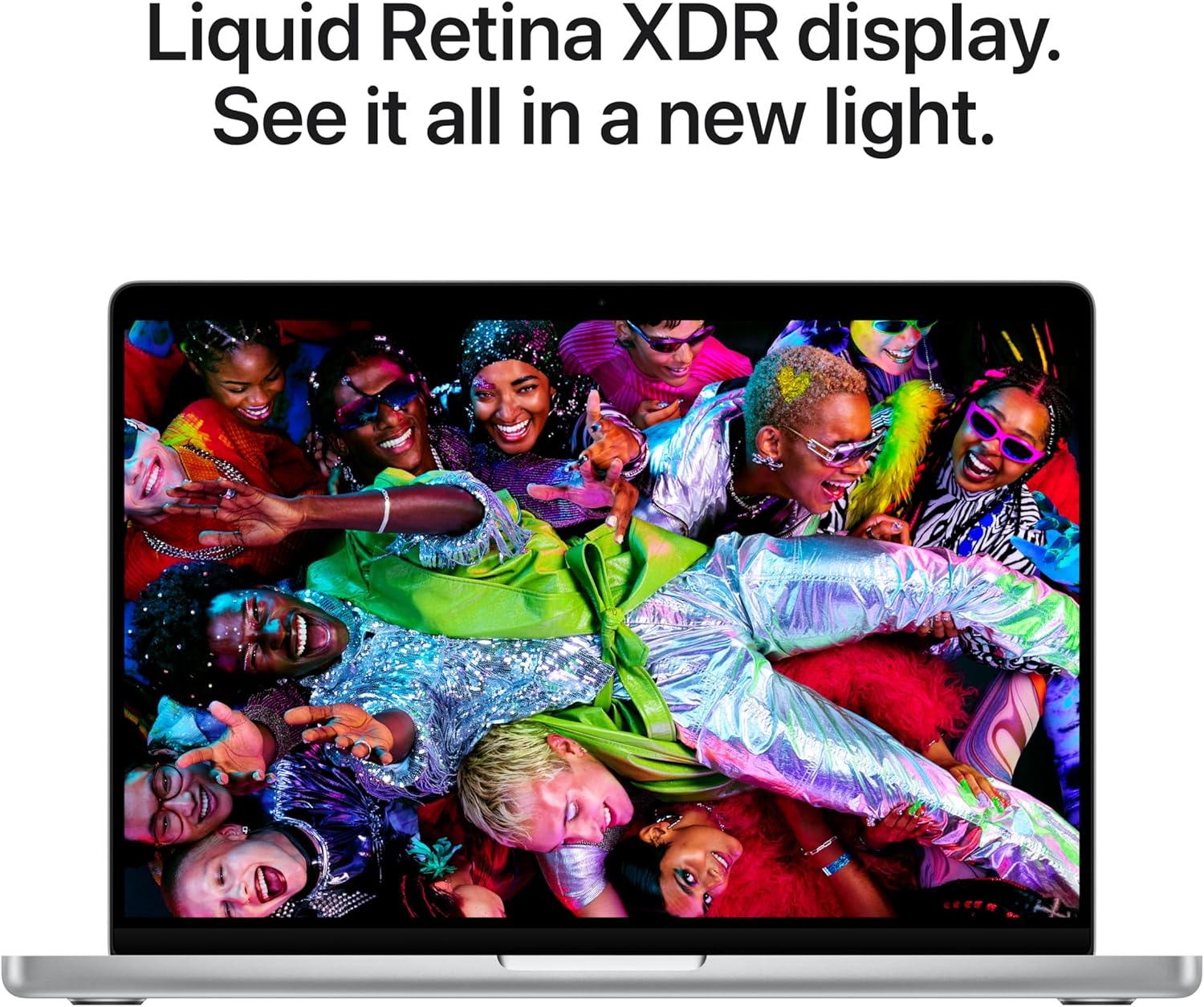
The 14.2‑inch Liquid Retina XDR panel delivers up to 1 600 nits peak brightness and 1 000 nits sustained, with a 1 000 000:1 contrast ratio. This makes HDR content appear vivid in bright environments and provides deep blacks for color‑critical work. The high pixel density ensures sharp text and detail, beneficial for photo editing and code review. Limitations include the fixed 14.2‑inch size, which may feel cramped for multi‑window workflows, and a glossy finish that can reflect ambient light despite the high brightness.
Camera and Audio System
A 12 MP Center Stage camera keeps the user centered during video calls, while three studio‑quality microphones capture clear speech with beamforming. The six‑speaker array supports Spatial Audio and Dolby Atmos, delivering immersive playback for media consumption and conference calls. These components are integrated into the thin chassis, so there is no option to add external microphones or upgrade the camera module; users requiring specialized audio input must rely on the headphone jack or USB‑C audio interfaces.
Connectivity and Expansion
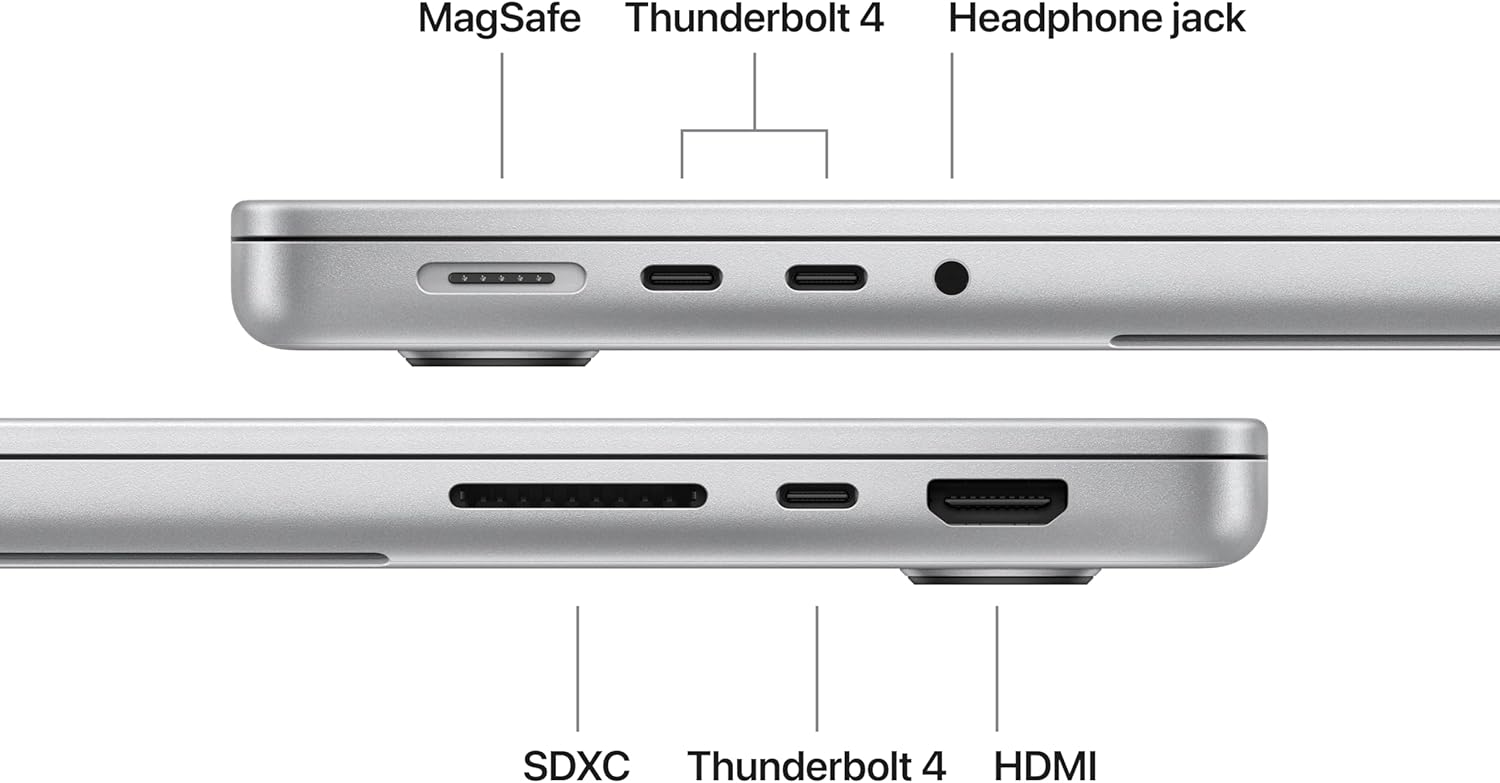
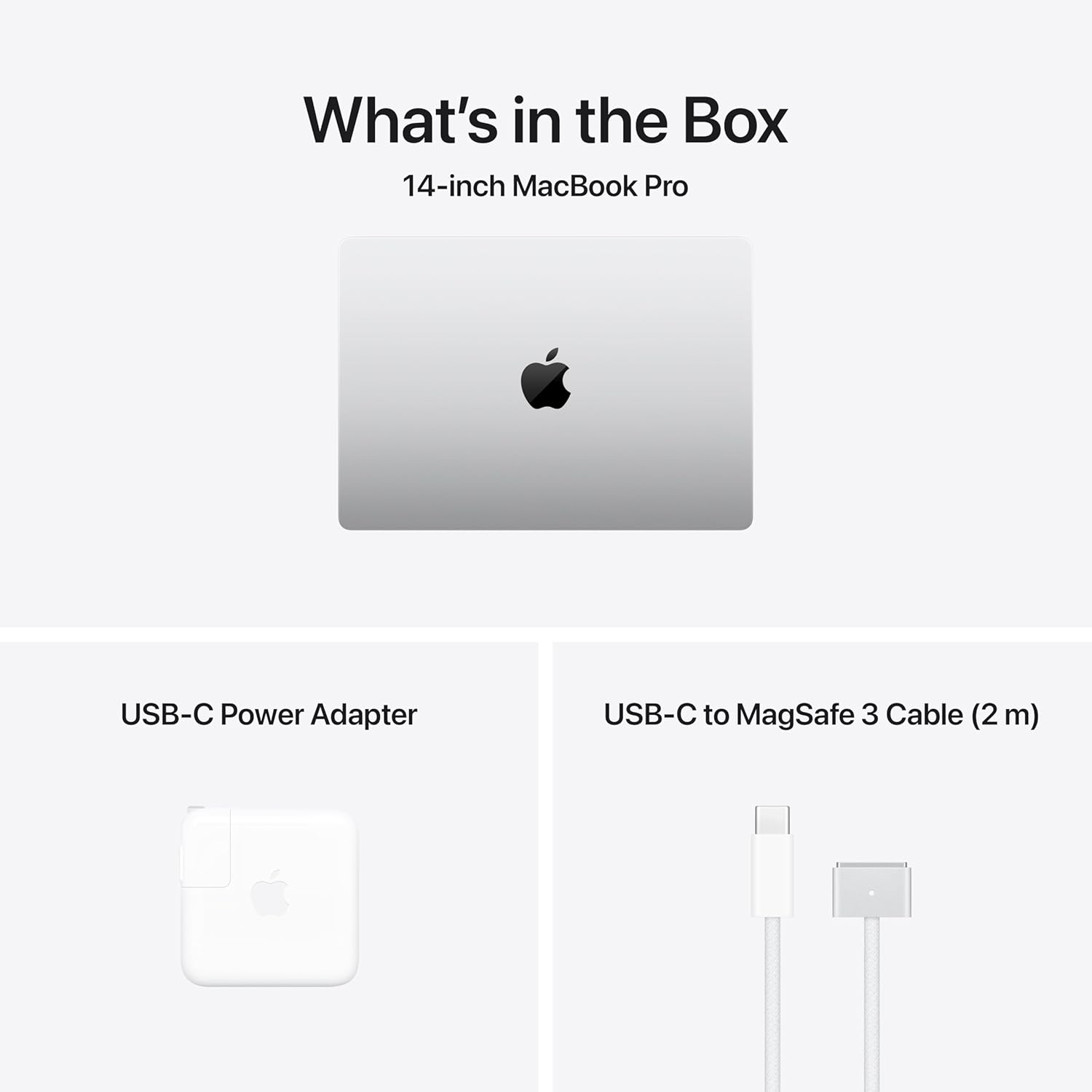
Three Thunderbolt 4 ports provide 40 Gb/s data, video output, and charging, complemented by a MagSafe 3 connector for dedicated power delivery. An SDXC card slot, HDMI port, and 3.5 mm headphone jack round out the I/O, and the system can drive up to two external displays. The port selection covers most professional peripherals, yet the absence of USB‑A and the limited number of Thunderbolt lanes may require docks or adapters for legacy devices or more than two high‑resolution monitors.
Ecosystem Integration
Features such as iPhone Mirroring, universal clipboard, Messages, and FaceTime continuity let the Mac act as an extension of an iPhone. This enables seamless copy‑paste across devices, remote control of the phone screen, and unified communication without switching contexts. The benefit is strongest for users already invested in Apple’s ecosystem; cross‑platform workflows with Android or Windows devices do not receive comparable native support.
Physical Design and Portability
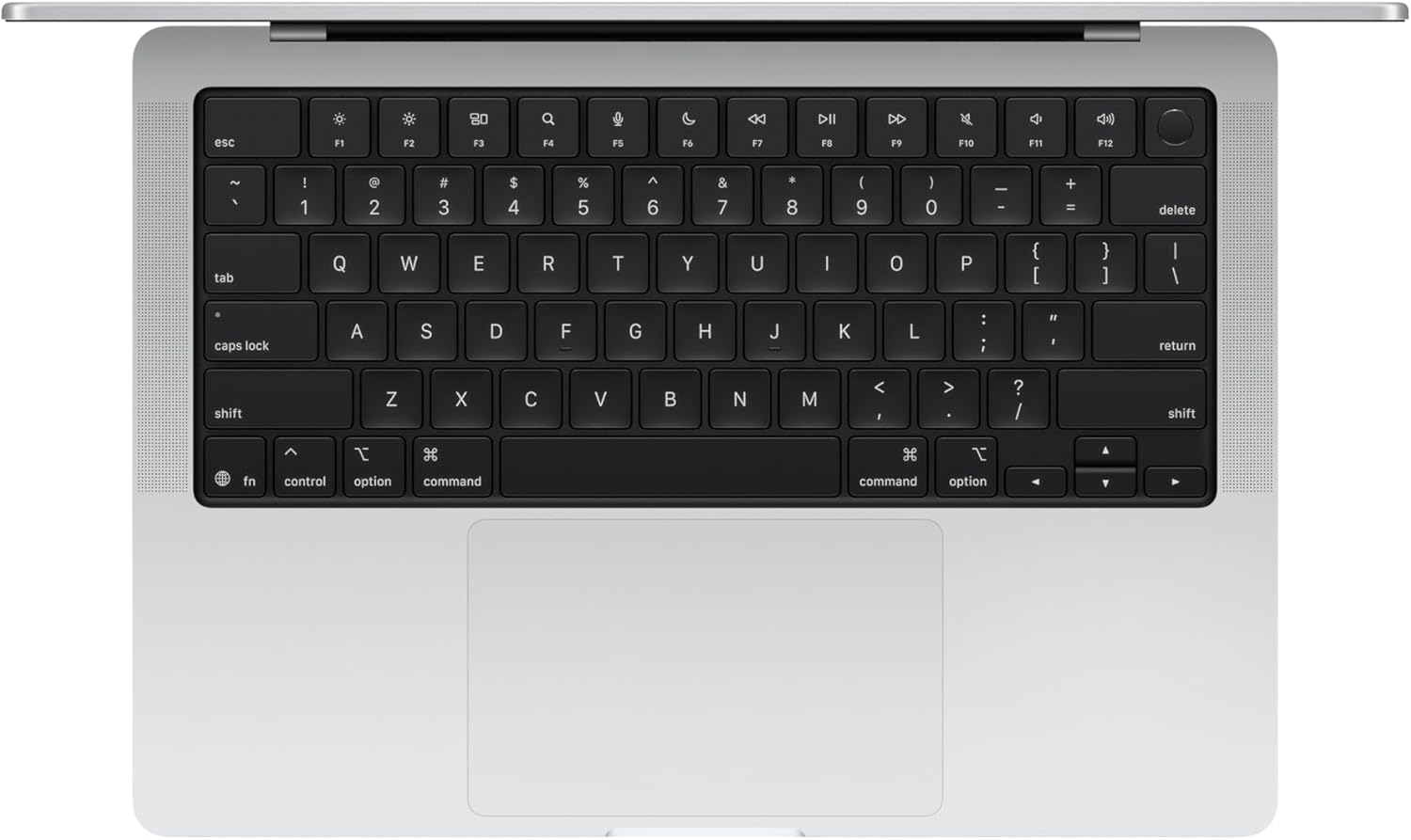
The chassis measures 12.31 × 8.71 × 0.61 inches and weighs 3.41 pounds in a silver finish. This form factor balances a relatively large display with a thin profile, making it portable for on‑the‑go professionals while still housing the thermal solution needed for sustained high performance. Compared with ultra‑light ultrabooks, the weight is noticeable for frequent travelers, and the fixed keyboard layout offers no user‑replaceable components.