


Price: $4,399.00 $4,119.00
(as of 2026-10-15 20:31 GMT+0000 – Details)

Next‑Generation Silicon and AI Acceleration
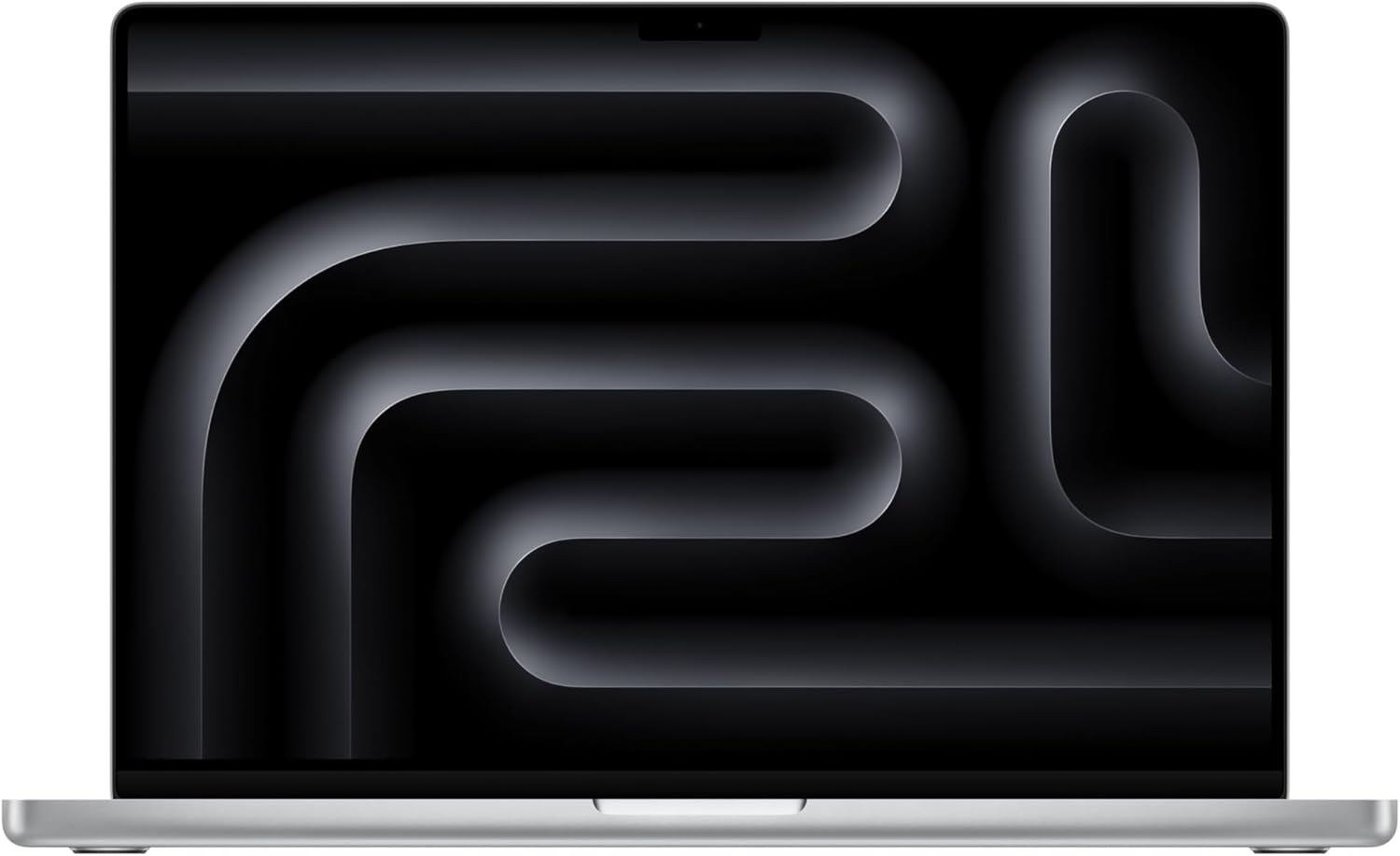
The 2026 MacBook Pro is powered by the Apple M5 Max chip, which integrates an 18‑core CPU and a 32‑core GPU. Each GPU core contains a Neural Accelerator, enabling on‑device large‑language‑model inference and training without relying on cloud resources. This architecture delivers markedly higher throughput for AI‑centric workloads such as real‑time transcription, image generation, and code completion. For professionals who run local model fine‑tuning or need deterministic latency, the dedicated accelerator reduces dependence on external GPUs. The trade‑off is that AI performance remains bounded by the chip’s thermal envelope; sustained heavy training may throttle after extended periods, and the system cannot offload to larger server‑grade accelerators.
Unified Memory and High‑Speed Storage
The configuration ships with 36 GB of unified memory and a 2 TB SSD that Apple claims is up to twice as fast as the previous generation. Unified memory lets the CPU, GPU, and Neural Accelerator share a single pool, eliminating copy overhead when moving tensors between compute units. This is advantageous for loading large model weights or handling multi‑layer video timelines. However, the memory is soldered and not user‑upgradeable, so future workload growth must be anticipated at purchase. The SSD’s speed benefit is most evident in sequential reads/writes; random I/O improvements are modest, and the 2 TB capacity, while generous, may still require external storage for massive datasets.
Liquid Retina XDR Display Characteristics
The 16.2‑inch Liquid Retina XDR panel offers 1 600 nits peak brightness, 1 000 nits sustained full‑screen brightness, and a 1 000 000:1 contrast ratio. These specs enable accurate HDR grading, vivid photo editing, and comfortable viewing in bright environments. The extreme contrast aids dark‑room color work, while the high sustained brightness reduces the need for external monitors in many lighting conditions. Limitations include a glossy finish that can reflect ambient light, and the fixed 120 Hz ProMotion refresh rate, which may not satisfy users requiring higher frame rates for competitive gaming or specialized scientific visualization.
Battery Endurance and Power Management
Apple states that the MacBook Pro delivers all‑day battery life with identical performance whether plugged in or running on battery. In practice, “all‑day” translates to roughly 10–12 hours of mixed productivity (web browsing, document editing, light code compilation) and considerably less under continuous GPU‑heavy AI inference or 4K video export. The power‑management firmware keeps clock speeds high on battery, avoiding the performance dip seen on many competing laptops. The downside is that heavy workloads will still drain the cell quickly, and there is no user‑replaceable battery; service must be performed by Apple or an authorized provider.
Connectivity Suite and External Display Support
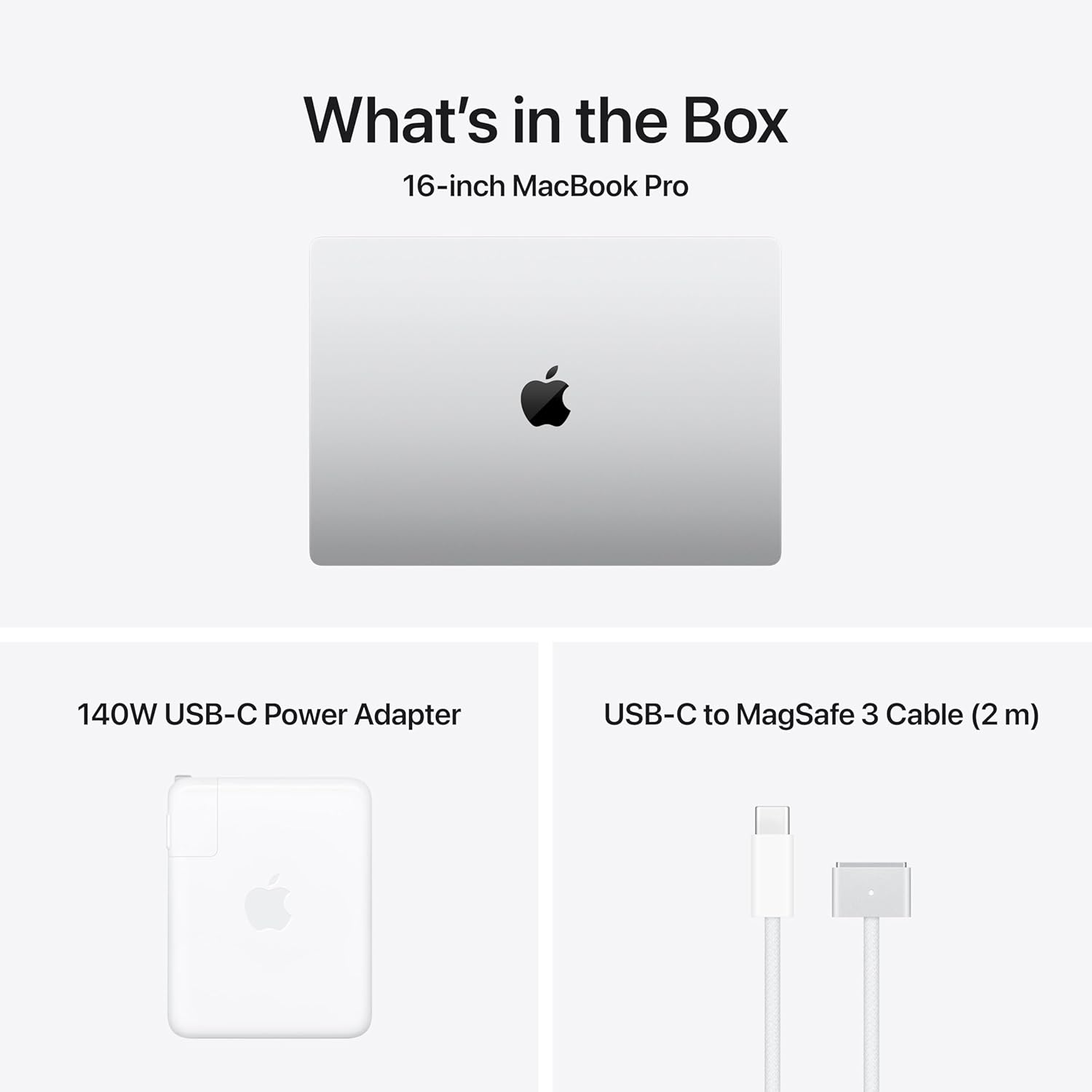
The chassis includes three Thunderbolt 5 ports, a MagSafe 3 charging connector, an SDXC card slot, an HDMI port, and a 3.5 mm headphone jack. The Apple‑designed N1 wireless chip provides Wi‑Fi 7 and Bluetooth 6, offering higher throughput and lower latency for wireless peripherals and network storage. With the M5 Max, the system can drive up to four external displays simultaneously, a notable increase over the M5 Pro’s three‑display limit. This makes the laptop suitable for multi‑monitor development stations or video‑wall setups. The port count, while generous, still lacks legacy USB‑A, requiring adapters for older accessories.
Camera, Audio, and Communication Features
A 12 MP Center Stage camera keeps the user centered during video calls, while three studio‑quality microphones capture clear speech with directional noise rejection. The six‑speaker array supports Spatial Audio and Dolby Atmos, delivering immersive playback for media consumption and spatial audio mixing. These components make the device a competent conferencing tool and a portable media hub. The camera’s fixed position and lack of a physical privacy shutter may be a concern for security‑focused users, and the audio system, while strong for a laptop, cannot replace dedicated studio monitors for critical mixing work.
macOS Ecosystem Integration and Physical Profile
Running macOS, the laptop benefits from native app optimization, built‑in malware protection, and free lifetime OS updates. Continuity features such as iPhone Mirroring, universal clipboard, and the ability to answer FaceTime calls or send Messages from the Mac streamline cross‑device workflows for users already invested in Apple’s ecosystem. The silver aluminum chassis measures 9.77 × 0.66 × 14.01 inches and weighs 4.73 pounds, positioning it as a portable workstation rather than an ultra‑light ultrabook. The weight and dimensions are acceptable for daily commutes but may feel bulky compared to 14‑inch alternatives, especially when combined with the required power adapter for extended sessions.